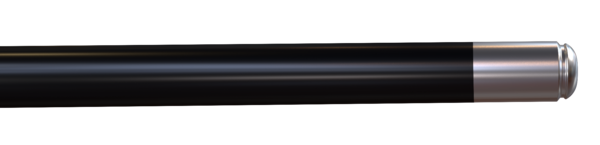
Rimozione di corpi estranei

Aspirazione

  • Con la crioestrazione è possibile rimuovere in tutta sicurezza coaguli di sangue, tappi mucosi, bronchiti plastiche e corpi estranei. Ciò è possibile anche direttamente al letto del paziente. In molti casi non è necessario ricorrere a un broncoscopio rigido.

  • E' possibile rimuovere in modo affidabile i corpi estranei dalle vie aeree dei bambini grazie alla criotecnologia.

  • È particolarmente indicata per oggetti di varia natura con struttura friabile o con superfici scivolose o lisce (estrazione tramite crioadesione).

  • È sufficiente spruzzare il corpo estraneo con una soluzione salina; ciò consente l’estrazione immediata di corpi estranei a basso contenuto d’acqua.

Video clinici

Ingestion of a peanut - EXCEPTIONAL PATIENT STORIES

Informazioni scientifiche

Summary of publication

Moslehi, Mohammad Ashkan (2020): Foreign Body Retrieval by Using Flexible Cryoprobe in Children. Journal of bronchology & interventional pulmonology.
 

This retrospective study evaluated the extraction of aspirated foreign bodies in children, using flexible bronchoscopy and a cryoprobe (reusable, 1.9mm). 50 children ranging in age from 7 months to 15 years underwent cryoextraction under mild general anesthesia. The most common location of foreign bodies was the right main bronchus, followed by the trachea, left main bronchus and subglottis. The most common aspirated foreign bodies were nuts, followed by raw vegetables, fruit particles, seeds, and grain seeds. All patients tolerated the procedure well with no major complications. The authors concluded that “Using cryoextraction can be a reliable and preferred method with minimal complications for extracting airway foreign bodies among children, especially those that have a friable texture.”


Consulta lo studio

Summary of publication

David, Abel P et al (2019): Cryoprobe retrieval of an airway foreign body: A case report and literature review. International journal of pediatric otorhinolaryngology 125, pp. 79–81.


This case reports on a 7-year-old boy with clinical and radiographic evidence of foreign body aspiration (push pin) with a two-week delay in diagnosis. Several unsuccessful attempts were made to remove the push pin using traditional flexible forceps through the main channel of a bronchoscope without. Although a firm grasp on the metal pin was initially achieved, it could not dislodge the object, which was firmly embedded in the bronchial wall with circumferential granulation. A cryoprobe (reusable, 1.9mm) was then forwarded through a flexible bronchoscope with suspension laryngoscopy and spontaneous ventilation. Activation of the cryoprobe for roughly 5 seconds, while in contact with the protruding metal portion of the push pin, caused the pin to freeze onto the tip of the probe and enabled successful removal of the foreign body. The authors concluded that “The cryoprobe and flexible bronchoscope through suspension laryngoscopy should be added to any airway surgeon's armamentarium for airway foreign body removal.”


Consulta lo studio

Prodotti per questo intervento

Close-up of the tip of a flexible cryoprobe with a diameter of 2.4 mm for pulmonary procedures

N. 20402-411

Criosonda flessibile monouso, Ø 2,4 mm, lunghezza 1.150 mm

Close-up of the tip of a flexible cryoprobe with a diameter of 1.7 mm for pulmonary procedures

N. 20402-410

Criosonda flessibile monouso, ø 1,7 mm, lunghezza 1150 mm

Close-up of the tip of a flexible cryoprobe with a diameter of 1.1 mm for pulmonary procedures

N. 20402-401

Criosonda flessibile monouso, ø 1,1 mm, lunghezza 1150 mm, con guaina protettiva, lunghezza 817 mm, con guaina protettiva ø 2,6 mm

Ulteriori informazioni sul PRODOTTO


  • Il design atraumatico della punta facilita il posizionamento agevole della criosonda monouso.

  • Il connettore della criosonda monouso facilita il collegamento e lo scollegamento.